

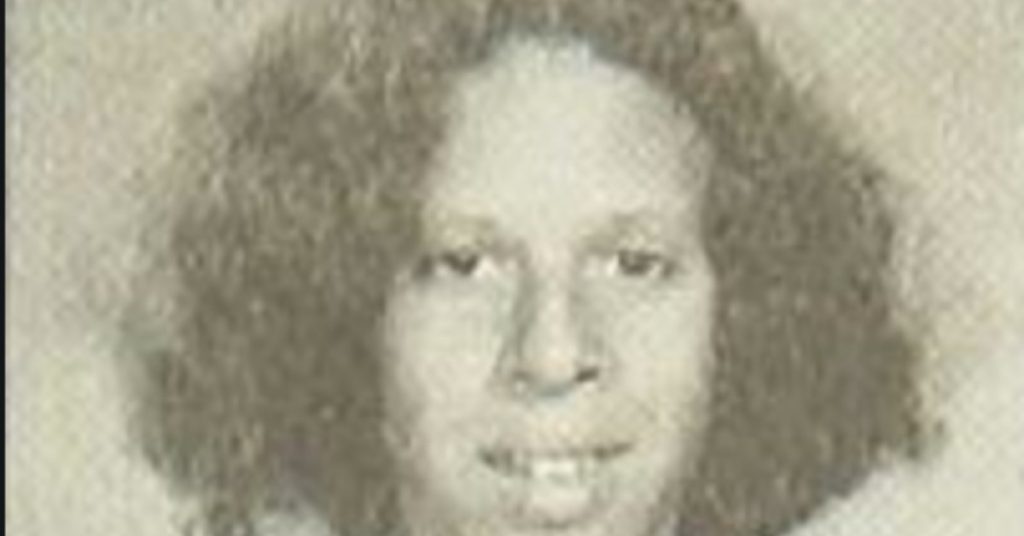
The story of melih nicholas is closely tied to one of the most influential families in American dance history. Known as the Harold Nicholas son, Melih C. Nicholas grew up connected to the legendary Nicholas Brothers, the groundbreaking tap dancers who reshaped entertainment during the Hollywood golden era. Born Paris France 1958 and later raised in Los Angeles California, his life reflects a complex blend of multicultural upbringing, family legacy, and the challenge of living under legacy. While his father, the celebrated Harold Nicholas dancer, dazzled audiences worldwide, Melih lived largely outside the spotlight. His story reveals themes of identity and expectation, fame and anonymity, and quiet perseverance within a powerful Black artistic legacy that continues to shape dance history today.
Quick Facts About Melih Nicholas
| Fact | Details |
| Full Name | Melih C. Nicholas |
| Birth | Born Paris France 1958 |
| Parents | Harold Nicholas and Elyanne Patronne |
| Famous Family | Member of the Nicholas Brothers family |
| Education | Fairfax High School, Los Angeles |
| Residence | Los Angeles California |
| Spouse | Janice F. Stout |
| Marriage | Nevada marriage 1989 |
| Legal Incident | 1984 arrest West Hollywood |
| Death | Died November 2003 |
| Report | Los Angeles Medical Examiner |
A Childhood Between Cultures
Melih C. Nicholas was born in Paris in 1958 during a period when his father, the legendary tap performer Harold Nicholas, was traveling and performing internationally. Being Born Paris France 1958 placed Melih in a unique cultural environment from the start.
His father was half of the world-famous tap duo known as the Nicholas Brothers, which included Harold and his brother Fayard Nicholas. Together, the brothers became pioneers of rhythm tap dancing, combining athletic leaps, acrobatics, and complex footwork. Their performances influenced generations of dancers and helped expand the visibility of Black entertainers during a time when racial barriers limited opportunities in mainstream Hollywood.
Growing up as the son of Harold Nicholas meant inheriting a powerful cultural narrative. Melih’s early life was shaped by a multicultural upbringing, blending European and American influences. His mother, Elyanne Patronne, came from a different cultural background than Harold, adding another dimension to Melih’s identity.
Children raised within legendary families often experience what sociologists describe as “living under legacy.” This dynamic creates both opportunities and pressures:
- Access to artistic communities
- Expectations tied to family reputation
- Public curiosity about famous relatives
- Personal struggles with identity and expectation
For Melih Nicholas, these factors created a life positioned between fame and anonymity. While the Nicholas Brothers were widely recognized icons of dance history, Melih’s life developed mostly outside the performance world.
This contrast forms a central theme in understanding his story and the broader Nicholas Brothers legacy.
Life in Los Angeles
After his early childhood in Europe, Melih Nicholas eventually settled in Los Angeles California, a city deeply connected to his father’s career and the entertainment industry. Los Angeles has long been a hub for performers, filmmakers, and musicians, particularly during and after the Hollywood golden era.
Melih attended Fairfax High School, a well-known public school in Los Angeles that has educated many individuals connected to arts and entertainment. Unlike his father and uncle, who performed professionally from a young age, Melih lived a more traditional urban life shaped by the social environment of Los Angeles.
The city’s cultural diversity likely reinforced his multicultural upbringing. Los Angeles has historically been home to a wide range of communities, including influential African American artistic circles connected to music, dance, and film.
Despite being part of the Nicholas Brothers family, Melih Nicholas maintained a relatively private life. Unlike his father, whose career involved public performances and global recognition, Melih’s story unfolded largely outside the spotlight.
This contrast between artistic brilliance and ordinary living reflects an important theme: the difference between public legacy and personal experience.
In many ways, Melih’s life illustrates the complex reality of growing up near fame. Children of famous performers often face questions about whether they will follow in their parents’ footsteps.
For Melih Nicholas, the path was different. His story is less about performance and more about navigating identity within a powerful family legacy rooted in dance history.
A Difficult Chapter
Like many individuals navigating adulthood, Melih Nicholas experienced personal challenges. One notable moment often referenced in the Melih Nicholas biography is the 1984 arrest West Hollywood, connected to allegations involving credit card misconduct.
This event became part of the documented public record of his life. While the details remain limited, such incidents highlight the reality that individuals connected to famous families are often scrutinized more closely than others.
Living as the Harold Nicholas son may have intensified public attention during difficult moments. Fame by association can create unique pressures, including:
- Expectations tied to family reputation
- Public curiosity about personal behavior
- Comparisons with accomplished relatives
- Limited privacy during legal or personal challenges
These factors contribute to the broader theme of identity and expectation. For many children of celebrated performers, navigating adulthood involves balancing independence with the weight of a celebrated surname.
Melih Nicholas later entered into a Nevada marriage 1989 with Janice F. Stout, marking a significant personal milestone. Marriage often represents stability and a new chapter in life, suggesting a period focused on family and personal relationships.
Although not widely publicized, this phase of his life reflects an attempt to move forward and build a personal identity beyond the legacy of the Nicholas Brothers.
Understanding these experiences helps provide a fuller picture of Melih Nicholas as an individual rather than simply a historical footnote within a famous family.
The Final Years and Legacy
Melih Nicholas passed away in November 2003, according to records associated with the Los Angeles Medical Examiner. His death marked the quiet end of a life connected to one of the most important artistic families in American entertainment history.
Unlike his father and uncle, Melih did not perform on global stages or appear in iconic film musicals. However, his story remains relevant as part of the larger Nicholas Brothers legacy.
To understand the cultural significance of that legacy, it helps to look at one of the most famous moments in film dance history: the Nicholas Brothers’ breathtaking performance in the classic musical film Stormy Weather.
That 1943 film featured an extraordinary staircase dance routine that many historians consider one of the greatest dance sequences ever filmed. The performance showcased the athletic tap style that defined Harold and Fayard Nicholas.
Their work helped reshape American entertainment by demonstrating that Black entertainers could command the same stage presence and technical mastery as any performers in Hollywood.
Melih Nicholas’s life existed in the shadow of this remarkable cultural impact. Yet his presence within the family line represents another dimension of artistic heritage: the private individuals who carry history forward even without performing themselves.
In this way, Melih Nicholas remains part of the broader Black artistic legacy connected to dance history.
Family and Cultural Echoes
The Nicholas family represents more than a pair of famous dancers. Their story reflects a powerful narrative about cultural heritage, resilience, and artistic innovation.
During the early 20th century, African American performers faced significant racial barriers in Hollywood and on stage. Segregation limited roles, screen time, and recognition for Black artists, even when their talent surpassed many of their peers.
Despite these obstacles, the Nicholas Brothers became internationally admired performers. Their routines blended:
- Tap dancing
- Acrobatics
- Jazz rhythm
- Comedy timing
This combination revolutionized American dance and influenced generations of performers.
For Melih Nicholas, growing up within this context meant inheriting a generational legacy deeply connected to the evolution of entertainment. Even without becoming a performer himself, he remained linked to a family whose work shaped the global perception of tap dancers.
The contrast between fame and anonymity also reflects a broader cultural pattern. Many relatives of famous artists live quiet lives while carrying the historical weight of celebrated achievements.
In this sense, Melih’s story contributes to a wider cultural narrative about how legacy operates across generations.
Who Was Harold Nicholas, Melih’s Father?
To fully understand the significance of Melih Nicholas, it is essential to understand his father.
Harold Nicholas was one of the most influential performers in the history of tap dance. Alongside his brother Fayard Nicholas, he formed the legendary Nicholas Brothers duo.
The Nicholas Brothers were known for a distinctive style that combined elegance, speed, and astonishing acrobatic skill. Their performances often included splits, flips, and leaps over staircases while maintaining precise tap rhythms.
Their influence on dance history can be summarized in several key contributions:
- Technical innovation – introducing acrobatic elements into tap dancing
- Film appearances – bringing tap to global audiences through Hollywood musicals
- Cultural impact – challenging racial barriers in the entertainment industry
- Artistic inspiration – influencing later generations of dancers and choreographers
During the Hollywood golden era, their performances captivated audiences around the world. The brothers’ routines were so technically demanding that many dancers still study them today.
As the Harold Nicholas son, Melih was part of a family recognized as pioneers of American dance culture. Although he did not perform professionally, his connection to this heritage places him within a lineage that shaped the history of tap dance.
Why Melih Nicholas Still Matters
At first glance, Melih Nicholas might appear to be a relatively minor historical figure compared with the legendary performers in his family. However, his story provides an important lens for understanding how legacy works across generations.
Many biographies focus only on famous individuals, but the lives of their children often reveal deeper social realities. Melih Nicholas represents the human side of a powerful artistic lineage.
Several themes explain why his story remains relevant:
- Living under legacy: The challenge of defining identity when a parent is globally recognized.
- Fame and anonymity: Being connected to celebrity while living a private life.
- Cultural continuity: Carrying forward family heritage even outside the spotlight.
- Historical context: Representing the next generation after the golden era of Hollywood dance.
His life also reminds us that cultural history is not only shaped by performers but also by families and communities that sustain artistic traditions.
In this way, the Melih Nicholas biography adds depth to the broader story of the Nicholas Brothers family and their enduring influence on American entertainment.
Conclusion
The life of Melih C. Nicholas reflects a quiet but meaningful chapter in the history of one of the most influential families in dance. Born in Paris in 1958 and later raised in Los Angeles, he experienced a multicultural upbringing shaped by both European and American influences.
As the son of Harold Nicholas, Melih grew up connected to a powerful artistic legacy defined by the Nicholas Brothers’ revolutionary contributions to tap dance and film. Yet his life unfolded largely outside the spotlight, illustrating the contrast between public fame and private existence.
Through moments of personal challenge, marriage, and everyday life, Melih Nicholas navigated the complex reality of identity and expectation within a celebrated family. His story contributes to a broader understanding of how cultural heritage continues across generations.
Although he passed away in November 2003, Melih Nicholas remains part of the enduring narrative surrounding the Nicholas Brothers and the evolution of American dance history.


